
- Blogs /
- Proposed updates to Australia's immigration policy, 17th September 2026: What students need to know
Proposed updates to Australia's immigration policy, 17th September 2026: What students need to know
Australia’s migration rules may be changing. Discover what the latest announcement from Tony Burke, the Minister for Home Affairs, may mean for Nepali students, their families, backpackers, and other visa holders.

 about 3 hours ago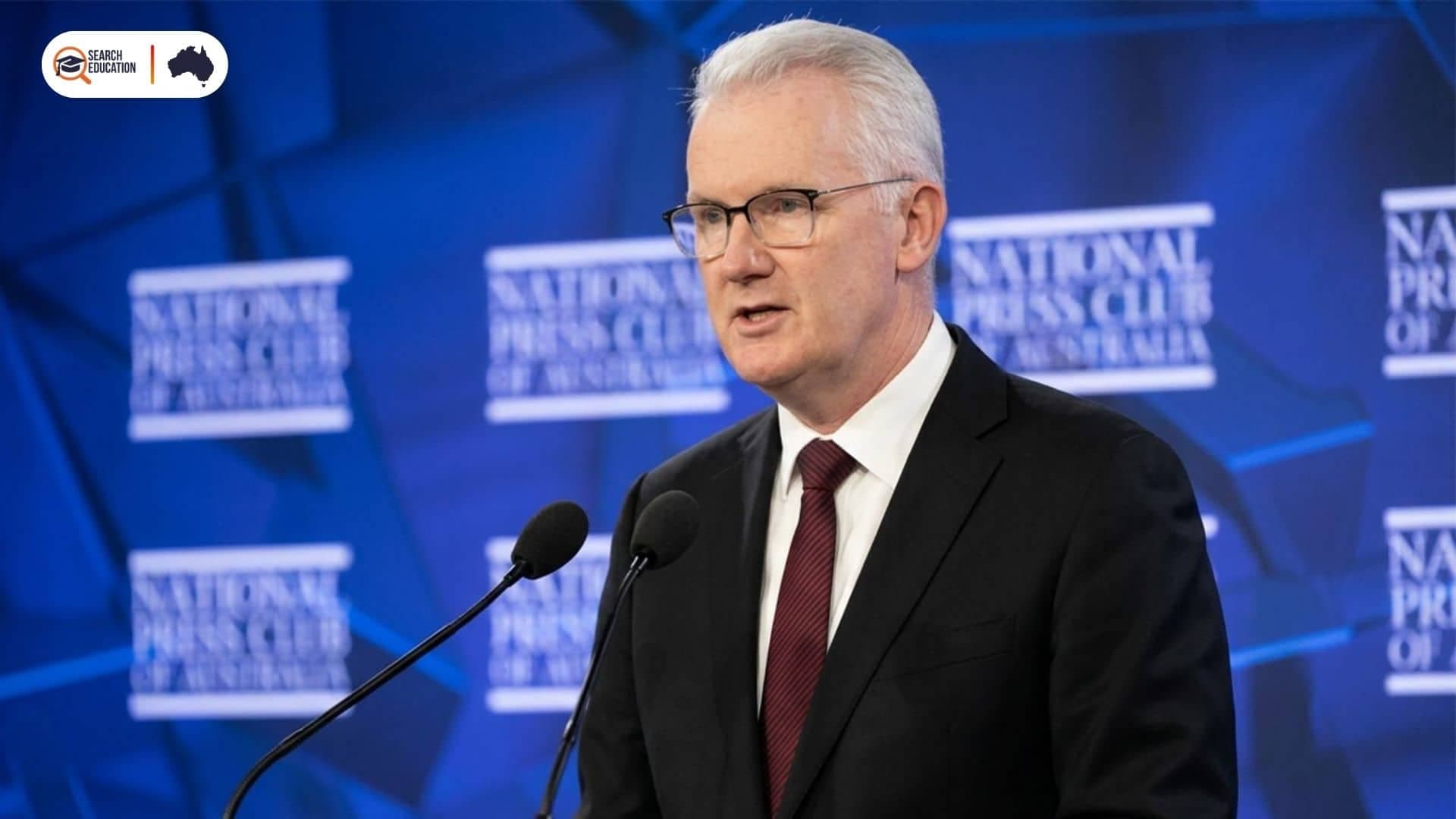
BREAKING: Massive changes may be coming to Australia's immigration policy, according to the press conference by Tony Burke, Minister for Home Affairs of Australia:
| What this announcement was about |
| 1) Future international students (and 485 visa holders) may not be able to bring dependents; the exemption applies to PhD students and students from Pacific Island and ASEAN countries. |
| 2) International students studying any AQF-level courses may be allowed to move “only up the qualification scale”. |
| 3) "No Further Stay” condition may apply to all future visitor visas. |
| 4) A new “ballot system” for second- and third-year backpackers (Working Holiday visa holders). Ballot allocations of 45K for second-year and 5K for third-year WHV. |
| 5) For this financial year, the government aims to reduce net overseas immigration (NOI) to 245,000. For 2027-28, NOI is to be 225,000. |
| 6) Visa overstayers may be detained and deported. |
Australian government is bringing huge changes to immigration policy. International students, their family members, and backpackers may be affected. Nepali students wondering what these changes mean for them are in the right place, as in this blog, we will take a deep dive into why these changes may be happening, which visas may be affected, and what the next steps could be. So, let’s get started.
NOTE: The legislation behind these massive changes in Australia's immigration policy has not passed yet. This blog discusses possible future scenarios, not the actual future. So, individuals should keep that in mind.
First, why the government is changing immigration policy?
According to Tony Burke, Minister for Home Affairs of Australia, the government is simply cracking down on what they call “visa hopping” and “rogue migration agents”. He stated visa hopping is a “genuine problem” and that temporary visa holders gaming the system will be detained and deported.
He addressed the claim that Australia is home to “mass migration” as “absurd”. He emphasised that the government will meet the net overseas immigration (NOI) target of 225,000 by 2028.
He also said that he doesn’t view Australia as a melting pot, but as an “orchestra”. Various sectors/people work together “in harmony”. This seems to imply that the government is putting things in order, where they need to be.
He emphasised that immigration is not the primary cause of the housing crisis but can be part of the solution, with the government focusing on skilled migrants in construction, education and healthcare.
He added, “These reforms are not as comprehensive as I would like them to be”. The government is making these changes to pass them as legislation, as Australia has a demand-driven system.
What could the immigration policy changes mean for international students?
According to Mr. Burke, international students are affected in two ways. Namely:
1) Future international students (and 485 visa holders) may not be able to bring dependents; the exemption applies to PhD students and students from Pacific Island and ASEAN countries.
So, students from countries other than Pacific Islands or ASEAN nations (except PhD students) may not be able to bring dependants.
This policy change doesn't affect students who have already brought their dependants to Australia, according to Mr. Burke. It will only affect students who apply after this change is legislated.
The press conference did not clarify what the immigration change may mean for the Master's by Research students. Stay tuned for future updates.
Where,
| Pacific Island countries | ASEAN countries |
| Federated States of Micronesia Fiji Kiribati Marshall Islands Naoero Palau Samoa Solomon Islands Tonga Tuvalu Vanuatu |
|
2) International students studying any AQF-level courses may be allowed to move “only up the qualification scale”.
For example, students at AQF level 6 may move to AQF level 7+ only, not AQF level 6 or below.
According to AQF.org, the Australian Qualifications Framework (AQF) is the national policy guide for regulated qualifications in the Australian education and training system. It defines the essential characteristics, including the required learning outcomes, of the different types of qualifications issued across the senior secondary education, vocational education and training (VET), and higher education systems. Its categories include:
- AQF Level 1 – Certificate I
- AQF Level 2 – Certificate II
- AQF Level 3 – Certificate III
- AQF Level 4 – Certificate IV
- AQF Level 5 – Diploma
- AQF Level 6 - Advanced Diploma, Associate Degree
- AQF Level 7 – Vocational Degree, Bachelor Degree
- AQF Level 8 – Bachelor Honours Degree, Graduate Certificate, Graduate Diploma
- AQF Level 9 – Masters Degree
- AQF Level 10 – Doctoral Degree
What could the immigration policy changes mean for working holiday visa holders?
Second- and third-year backpackers, i.e., working holiday visa holders, will have to pass the “ballot system”, according to Mr. Burke. Only 45,000 second-year WHVs and only 5000 third-year WHVs will be granted.
Currently, individuals are automatically qualified for second- and third-year WHVs after meeting the requirements. But if the change becomes law, fulfilment of requirements will only put them in a ballot system. If they get selected, only then will their visa be assessed.
He also said that processing time for working holiday visas will be delayed as the government focuses on other important sectors such as construction, healthcare and education.
What could the immigration policy changes mean for visitor visa applicants?
All future visitor visas will have a “No Further Stay” condition, according to Mr. Burke.
Once the legislation becomes law:
- First, visa holders before the policy change will not be affected.
- Second, future visa holders (applicants applying after the change) must leave Australia when their visa expires.
This means future visa holders may not be allowed to extend their stay in Australia. To apply for a visa extension or an entirely different visa, they must first leave Australia.
What could the immigration policy changes mean for visa overstayers?
According to Mr Burke, visa overstayers will be detained and made to leave Australia. He said the government will toughen up compliance with visa rules.
He emphasised that this is not the same as in other nations, but rather just reverting to how it was in 2015.
Who are the “rogue migration agents” the immigration minister spoke of?
According to Mr. Burke, “rogue migration agents” are those who promote or direct international citizens toward frivolous course/visa without merit to Australia. He also added that those agents who promote such actions will have their registration cancelled or face other consequences.
So, in conclusion, what do these policy changes mean for Nepali students?
If implemented, this immigration policy change might make it harder for working holiday visa holders to extend their stay, make compliance tougher, limit future international students from bringing dependants to Australia, and require students to study “only up the qualification scale”.
Note: Tony Burke, Minister for Home Affairs of Australia, announced immigration policy changes in a press conference. The official legislative instrument or ministerial direction is yet to be published.
So, individuals should stay up to date and, if it passes and becomes law, should seek professional guidance from experts in this field.
Navigating such changes in immigration policy can be complex. That is why students should seek counselling from experts like Search Education. We are ethical consultants with an amazing track record of integrity and honesty. We have over 10 years of experience guiding students and making the process hassle-free. We offer complete guidance on career counselling, program & university selection, entry requirements, costs & scholarships guidance, visa lodgement, interview prep, and, of course, pre-departure consultation. So, feel free to reach out to us.
Leave a Comment
Related Post




Ready to Start Your Study Abroad Journey?
Book a Free Consultation with our expert counselors